Introduction: Why Cleaning Makeup Brushes Matters
Makeup brushes need appropriate maintenance. Failing to take make basic steps can have dire problems for your skin and, boy, a hoard of makeup. Surplus buildup of oils, makeup residues and bacteria clog the bristle, which can lead to serious skin complications. In addition, brushes that are poorly maintained are intensive and negatively affect the application of makeup. Investing time in learning how to wash the brushes appropriately translates to health maintenance for the skin while observing ever-present, fresh, glowing skin. In the text, we will discuss proper maintenance criteria, frequency of cleaning, appropriate washing and storing, and instructions on disinfecting.
Why You Should Regularly Clean Your Makeup Brushes
- Bacteria Prevention: Dirty bristles become a perfect host and environment for thriving bacterial growth.
- Proper Makeup Application: When brushes are cleaned more frequently, the result is a precise makeup application.
- Longer Brush Life: Regular cleaning improves the quality and brushes last longer.
- Skin Protection: Less irritation and breakouts means the skin is protected.
- Cost-Efficiency: Prevents damage to expensive brushes.
How Often Should You Clean Makeup Brushes?
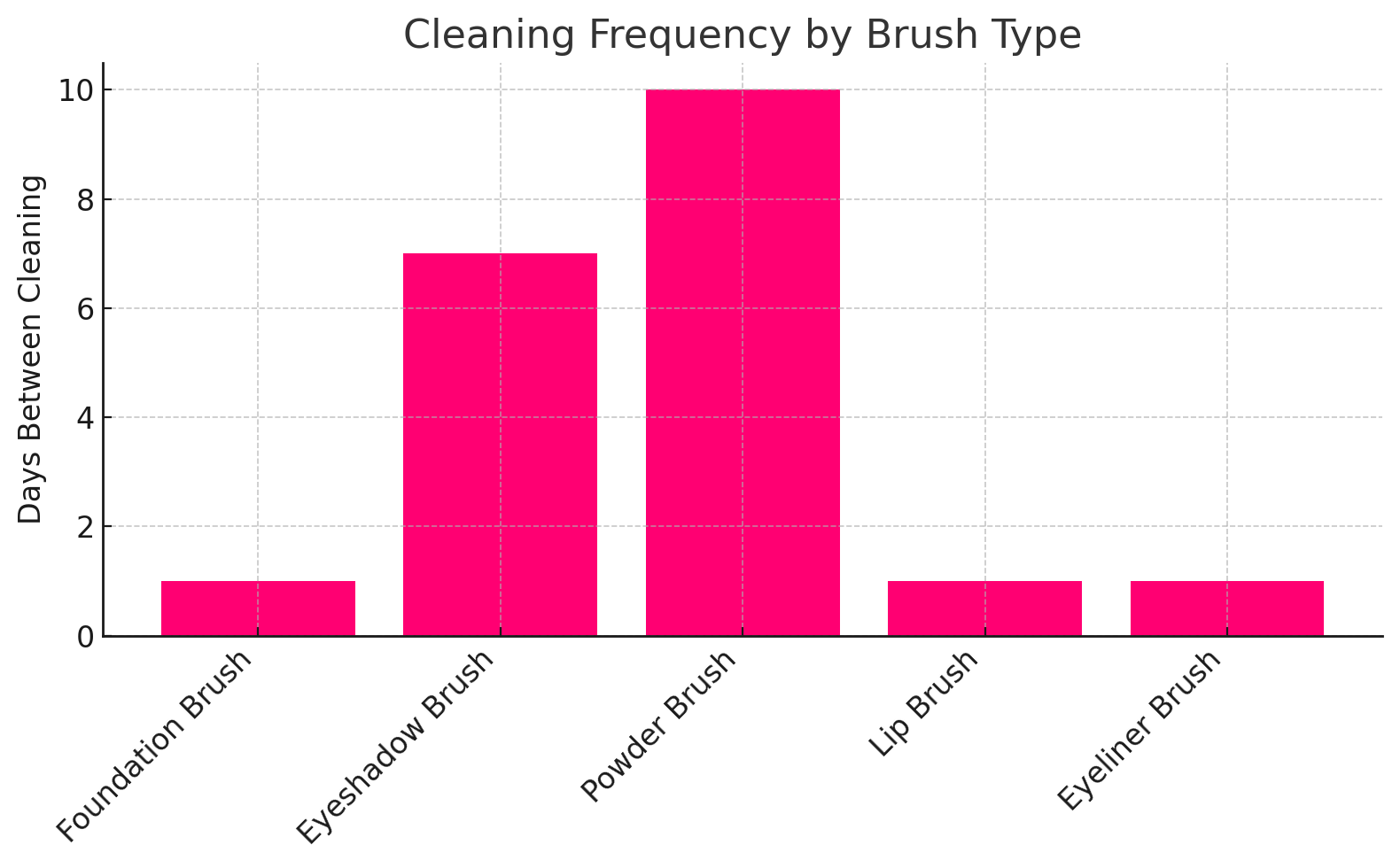
| Brush Type | Recommended Cleaning Frequency |
| Foundation Brush | After Every Use |
| Eyeshadow Brush | Once a Week |
| Powder Brush | Every 1-2 Weeks |
| Lip Brush | After Every Use |
| Eyeliner Brush | After Every Use |
Graph – Cleaning Frequency Based on Brush Type
What You Need: Cleaning Supplies for Makeup Brushes
- Gentle soap or brush cleaner solution
- Castile soap (optional alternative)
- Vinegar and water mixture (for deep disinfecting)
- Makeup brush washing mat or cleaning mat for makeup brushes
- Small bowl
- Clean towel
- Drying rack or stand
Pro Tip: Using a makeup brush cleaner pad makes removing stubborn product buildup easier!
Step-by-Step: How to Clean Makeup Brushes
-
Wet the Bristles
Wash the bristles of the brush facing downwards under lukewarm water.
(Take care not to wet the metal ferrule or the handle. Otherwise, the glue will loosen.)
-
Apply Cleaning Solution
Apply a few drops of soap to clean makeup brushes or a dedicated cleaner for brushes into your palm or a cleaning pad.
-
Swirl and Lather
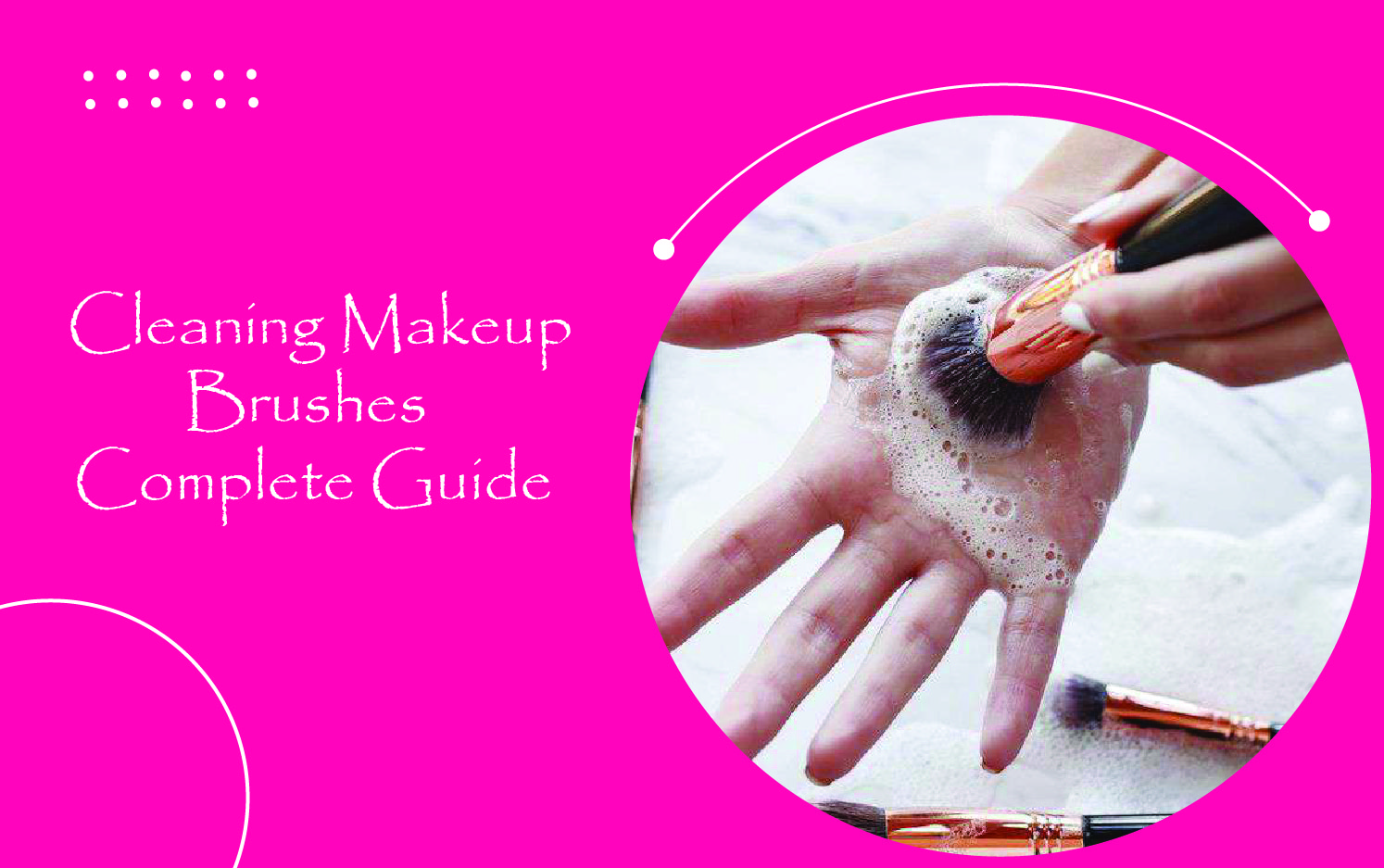
Lightly rotate the brush in circular motions using a makeup brush washing mat or your palm so that it forms a lather. Also, for foundation and dense brushes like flat-top makeup brushes, which have dense bristles, more time is needed to be spent swirling.
-
Rinse Thoroughly
Make sure no traces of soap or any remnants of makeup are left before rinsing under lukewarm water.
-
Disinfect (Optional but Recommended)
Mix one part vinegar with two parts of water. Dip the bristles for a short period into the mix so that makeup brushes can be disinfected.
-
Dry Properly
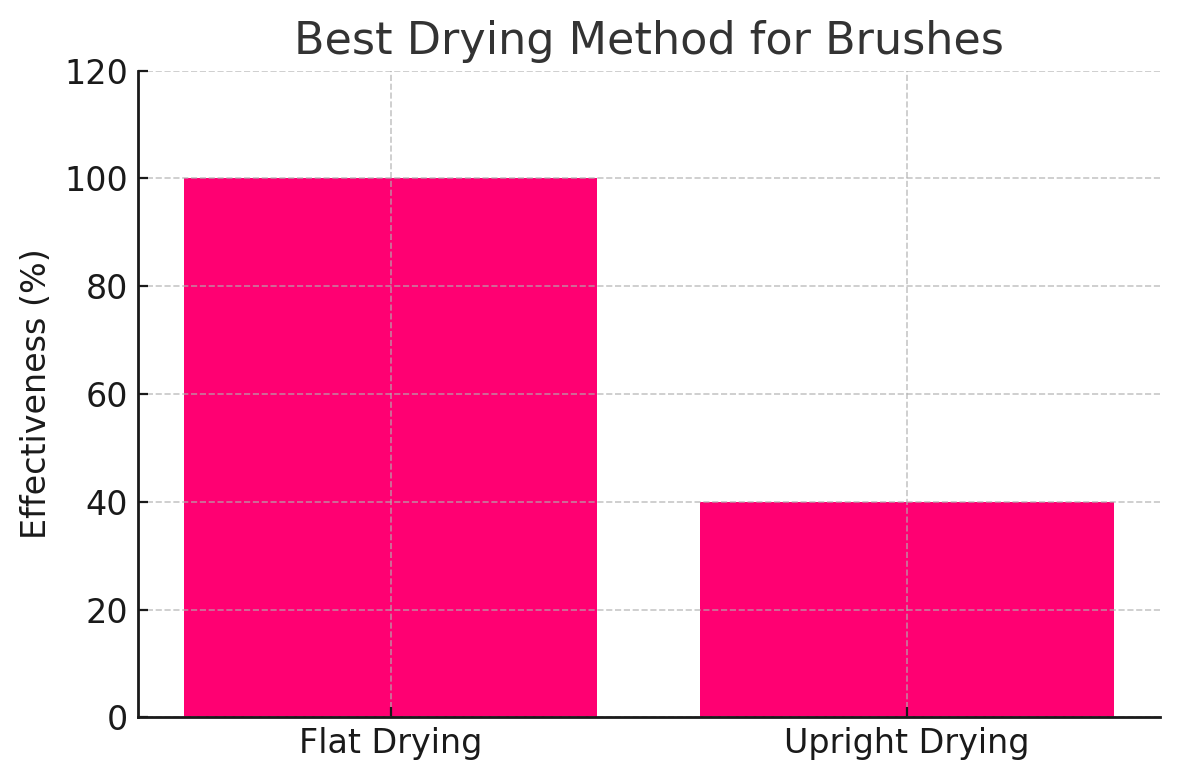
The brushes must be placed on the towel face down so that the bristles are able to freely hang over the edge of the counter and breathe.
Graph: Correct Drying Angle for Makeup Brushes
How to Clean Specific Types of Brushes
Cleaning Foundation Brushes
How to clean foundation brush: Due to their thick density, clean after every use using gentle soap and deep rinse to remove heavy product buildup.
Cleaning Eyeshadow Brushes
How to clean eyeshadow brushes: Makeup brushes for eyeshadow require weekly maintenance with mild soap as they often hold on to pigments that will alter subsequent applications.
Cleaning Double-Ended Brushes
Double-ended makeup brush: Clean One brush head side at a time approach. Avoid immersion of the middle area to prevent damage to the handle.
Best Way to Clean Makeup Brushes (Quick Methods)
- Wash with Baby Shampoo: Extremely mild.
- Combine Dish Soap and Olive Oil: Softens stubborn foundations and creams.
- Castile Soap: Best choice for those looking for a natural solution — you can make shampoo out of castile soap and use it to scrub your brushes!
How to Disinfect and Sterilize Brushes
- Vinegar soak for 10 minutes
- Rubbing alcohol spritz (air dry right away)
- Specialized beauty-grade spray for disinfecting eye makeup brushes
Graph: Natural Disinfectants vs Chemical Sprays

How to Wash Cosmetic Brushes with Acrylic Paint
Makeup artists who double as painters understand the importance of cleaning brushes with acrylic paint. It is best to use warm water combined with brush soap right after the painting process. In the case of dried paint, a specialized paintbrush cleaner is suggested.
For cleaning dried paint on brushes:
- Allow them to soak in vinegar
- Gently remove the loosened paint using your fingers
Common Mistakes to Avoid
- Don’t soak the entire brush: Water can damage the glue.
- Don’t dry brushes upright: Water seeps into the handle and ferrule.
- Avoid Using harsh chemicals: Strip natural brush fibers.
How to Store Makeup Brushes Properly
- Invest in a brush holder
- Store them upright where they can fit without being packed in tightly
- Dedicated containers offer the best conditions for easily storing makeup brushes.
Makeup sponges can easily harbor dust and harmful bacteria; therefore, through means of tidy and easily graspable storage, both tools would not require extensive and hands-on cleaning.
Replacing Makeup Brushes: When Is It Time?
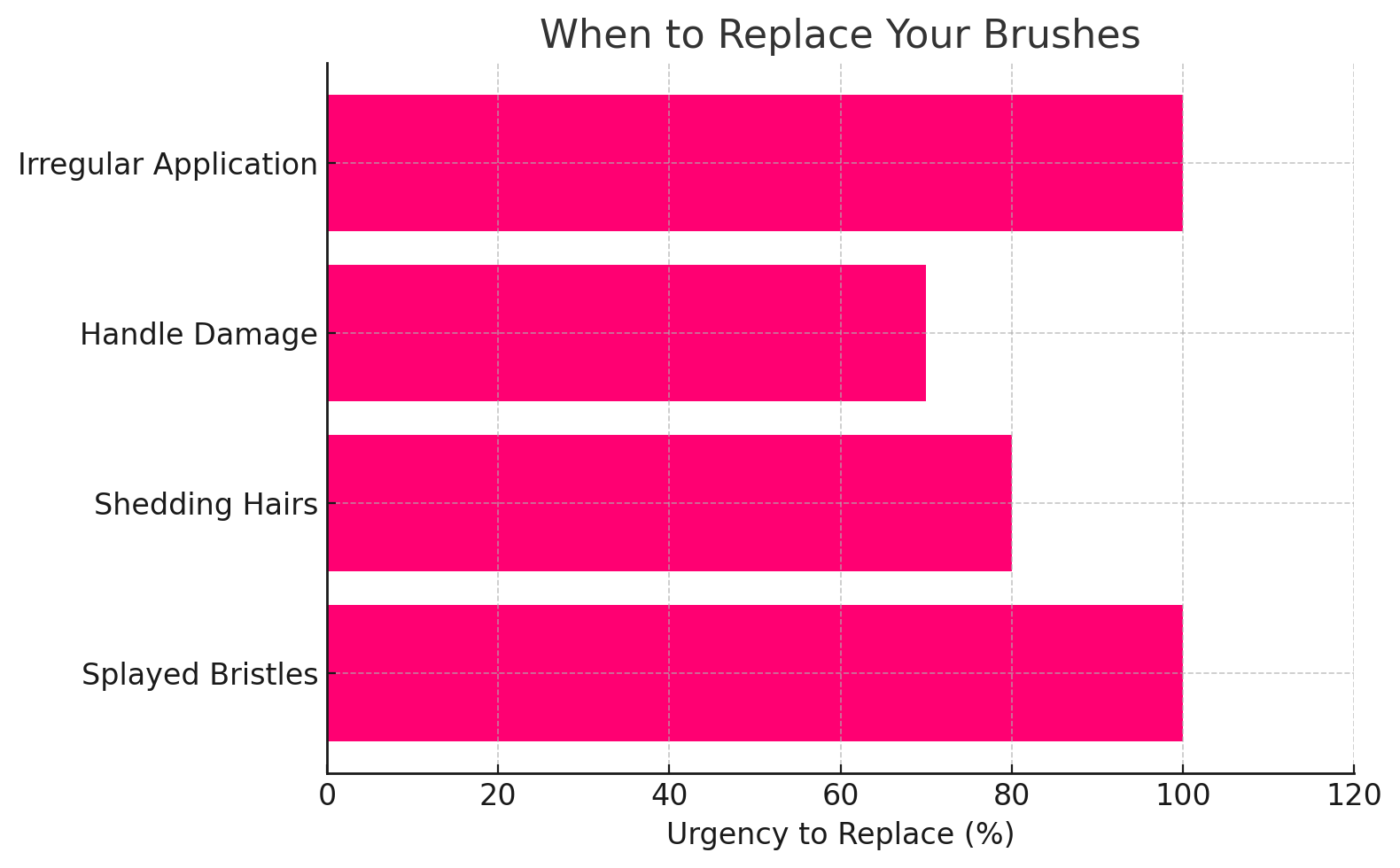
| Brush Condition | Time to Replace |
| Splayed bristles | Replace immediately |
| Shedding hairs | Replace soon |
| Handle damage | Replace soon |
| Irregular application | Replace now |
Graph: Makeup Brush Lifespan Timeline
FAQs About Cleaning Makeup Brushes
- How Long Do Makeup Brushes Take to Dry?
A greater part of people’s makeup brushes requires drying time, which ranges from 8-12 hours after washing, with respect to the environment as well as the density of the brush. For faster drying, lay brushes at an angle on a clean cloth with bristles hanging off the edge of the counter. Depending on the type of material, dryer-capable brushes might dry within 4-6 hours.
- What is the Best Thing to Clean Makeup Brushes With?
The most suitable way to clean makeup brushes is by using a gentle fragrance-free soap or specialized brush cleanser. Others choose to use dish soap, baby shampoo, or Castile soap mixed with oil, particularly for brushes designed for heavy-duty makeup.
- What Not to Do When Cleaning Makeup Brushes?
When cleaning brushes, ensure that you do not soak them in water do not place them upright and expose them to strong chemicals. These errors could mean voiding the warranty of the equipment since the glue would be unfastened, bristles damaged and a reduced brush lifespan guaranteed.
- What to Do After Washing Makeup Brushes?
While washing makeup brushes, ensure to gently reshape the bristles to their original form. After that, lay the brushes flat to dry. Make sure the ferrule doesn’t contain excess water, and avoid drying the brushes upright to protect the interior from potential water damage.
- How Do You Clean Makeup Brushes Without Wetting Them?
You can clean makeup brushes by using cleaning pads or sponges, also referred to as dry brush cleaner sponge. A gentle swipe of the sponge is enough to get rid of pigments, particularly during eyeshadow application.
- Can You Use Shampoo to Clean Makeup Brushes?
Absolutely. It’s more than ok to use shampoo on makeup brushes. Baby shampoo will do just as well alongside other gentle shampoo brands. The delicate nature of shampoo allows it to be used on brush bristles without risking damage to natural or synthetic materials.
- How to Clean Makeup Brushes Naturally?
To clean makeup brushes naturally, one would use a combination of Castile soap and water. Another suggestion is to use vinegar and water solution for thorough disinfecting. Natural solutions are the most practical and sensitive options for both the brushes and skin.
- Cleaning Makeup Brushes at Home: How to Do It Easily?
Cleaning makeup brushes is effortless – moisten the bristles in lukewarm water, apply a mild soap or a brush cleaner, rinse thoroughly, disinfect with a vinegar solution if desired, and lay flat to dry.
- How Often Should You Replace Makeup Brushes?
Makeup brushes should be replaced once they show visible damage, including shedding, fraying, or uneven application. With proper maintenance, quality brushes can last anywhere from 1-2 years, or even longer, without needing to be replaced.
- How to Disinfect Makeup Brushes Between Washes?
Disinfecting makeup brushes in between washes can be done by lightly misting the bristles with makeup sanitizing spray or rubbing alcohol, then wiping it off with a paper towel. This quick method helps kill bacteria that accumulate between deep cleanings.
Final Tips: Cleaner Brushes, Healthier Skin
- Wash foundation and cream brushes after every use
- Disinfect brushes monthly
- Always allow brushes to dry flat
- Invest in a makeup brush cleaner pad
- Replace brushes every one to two years, depending on quality