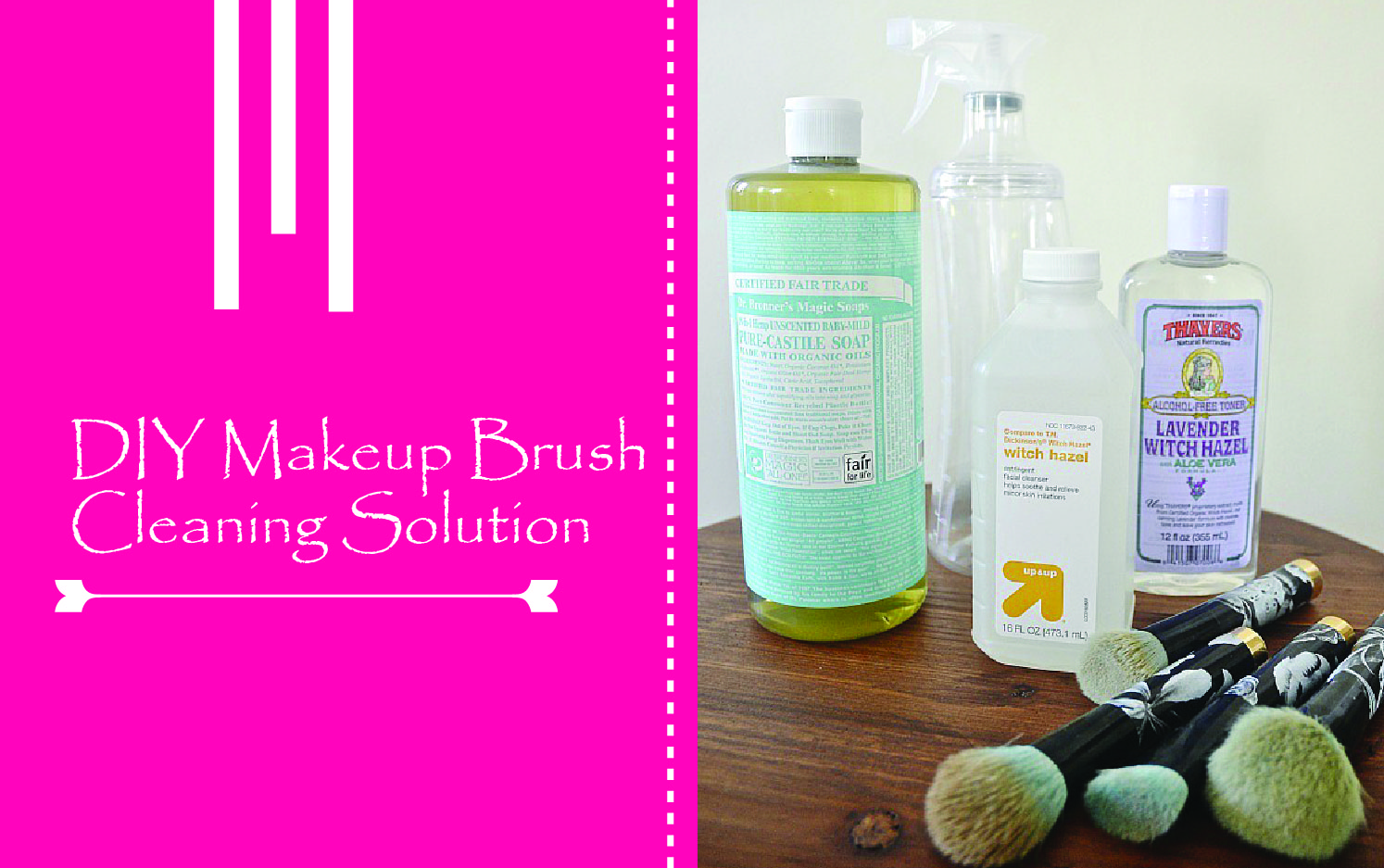
To keep skin healthy and preserve the makeup products, clean foundation brushes. However, many cosmetic brush cleansers available in the market contain strong chemicals that are expensive. With this, a makeup brush cleansing solution could be created in a safe, effective, and cost-friendly way.
In this guide, we will demonstrate how to create a DIY brush cleaning solution with simple ingredients like Castile soap or even surprise kitchen staples like dishwasher liquid. We will tackle recipes, expert advanced tips, and mistakes to avoid; all graphs, visual data, and infographics accompany the presentation to maintain confidence in preserving clean, bacteria-free brushes.
Why Cleaning Makeup Brushes Matters
Dirty makeup brushes accumulate a lot of bacteria, dirt, oils, and even dead skin cells. This worsens over long periods, leading to the use of unwashed brushes to result in the following setbacks:
- Triggering acne
- Skin irritation
- Uneven makeup application
- The shortened lifespan of your brushes
Journal of Applied Microbiology published a fascinating study claiming more than 90% of tested makeup brushes contained harmful bacteria after just one month without cleaning, primarily due to neglect. Regular washing reduces this risk dramatically.
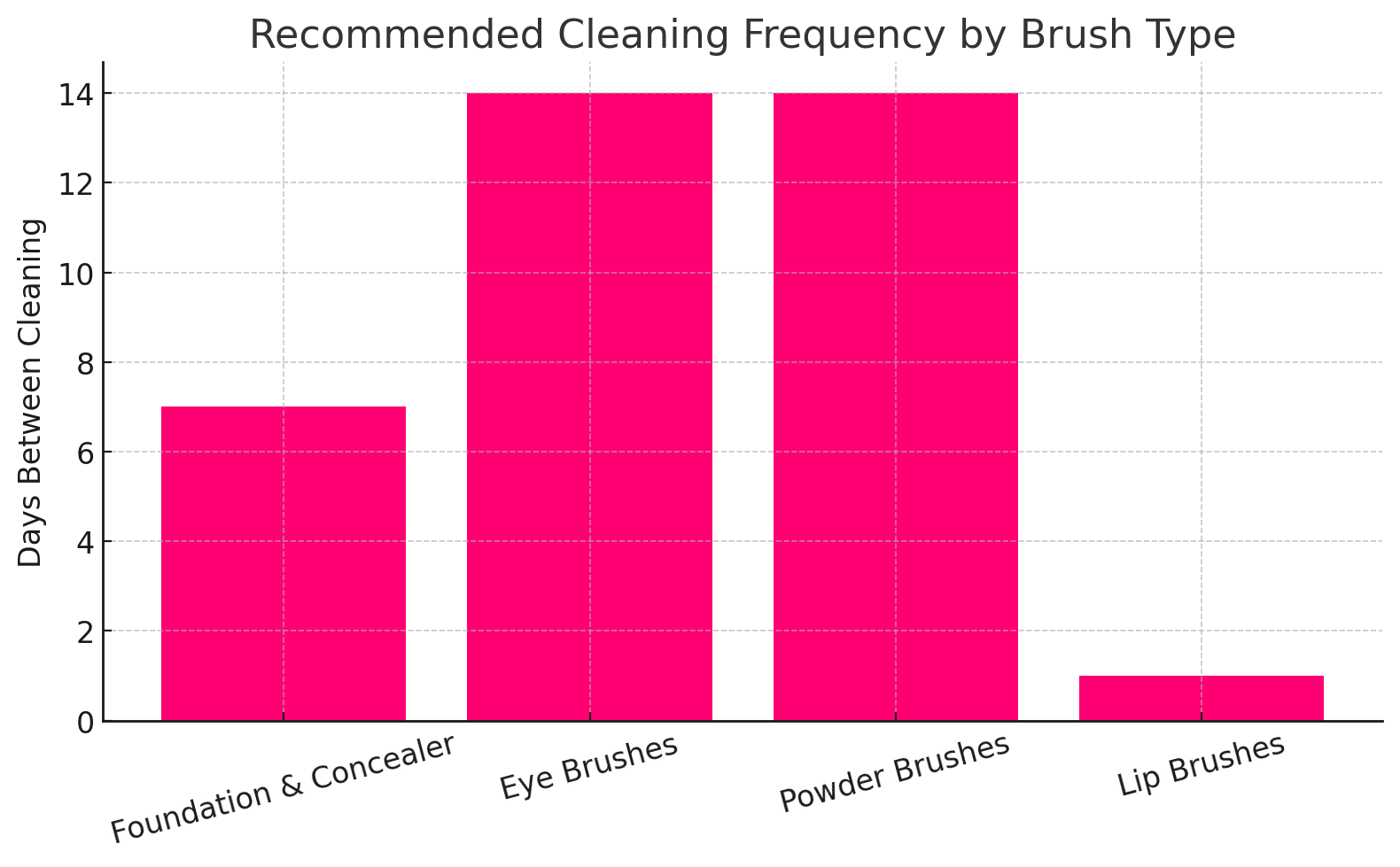
How Often Should You Clean Your Makeup Brushes?
| Type of Brush | Recommended Cleaning Frequency |
| Foundation & Concealer Brushes | Once a week |
| Eye Brushes | Every two weeks |
| Powder Brushes | Every two weeks |
| Lip Brushes | After every use |
Graph: Cleaning Frequency by Brush Type
Essential Ingredients for DIY Makeup Brush Cleaning Solution
1. Castile Soap
- Gentle, natural, and chemical-free
- Breaks down oils and residues easily
2. Dishwasher Liquid (optional)
- Cleans heavily soiled brushes and cuts grease
- Use mild, unscented ones
3. Olive Oil
- Conditions bristle and prevent dryness
4. Distilled Water
- Clean water free from minerals
5. White Vinegar (optional)
- It can be used as a natural disinfectant
DIY Makeup Brush Cleaning Solution Recipes
Recipe 1: Basic Castile Soap Solution
Ingredients:
- 1 tablespoon Castile soap
- 1 cup distilled warm water
Instructions:
- Mix the Castile soap and warm water in a clean bowl.
- Dip brush tips into the solution.
- Gently swirl on your palm.
- Rinse thoroughly under lukewarm water.
- Dry bristles facing down
Recipe 2: Deep Cleaning Solution for Stubborn Makeup
Ingredients:
- 1 tablespoon Castile soap
- ½ tablespoon mild dishwasher liquid
- 1 tablespoon olive oil
- 1 cup warm water
Instructions:
- Mix all ingredients in a bowl.
- Dip the brush in the solution and swirl.
- Gently lather with fingers.
- Rinse thoroughly under lukewarm running water.
- After squeezing excess water, lay the brush facing down to dry.
Note: Be mindful not to introduce water into the brush’s ferrule (the metallic section), as it may weaken the adhesive glue over time.
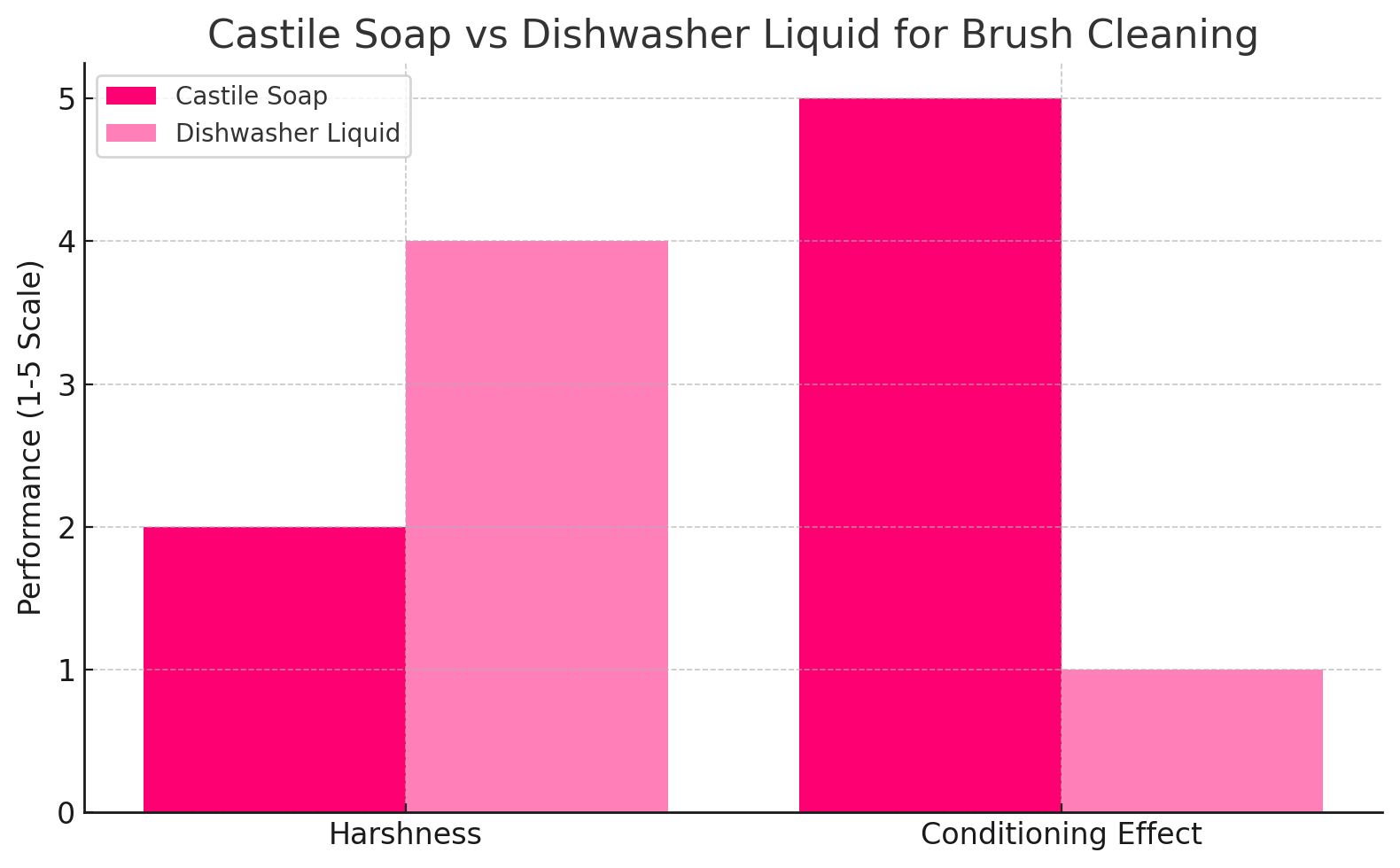
Comparison: Castile Soap vs Dishwasher Liquid for Makeup Brushes
| Aspect | Castile Soap | Dishwasher Liquid |
| Harshness | Very gentle | Mild but stronger cleaning agents |
| Suitable for | All brushes, daily maintenance | Stubborn, thick makeup residues |
| Fragrance | Mostly fragrance-free | Some may have fragrances |
| Conditioning effect | Yes | No |
Graph: Castile Soap vs Dishwasher Liquid for Cleaning
Best Practices When Cleaning Makeup Brushes
- Hot water can damage the scalp/bristles, so lukewarm water should be used only.
- Soaking brushes upright can loosen glue, therefore should never be done.
- To maintain the shape, the brush should be dried flat, not vertically.
- Brushes should be reshaped before drying.
Quick Tip:
Let brush heads rest on a countertop and dry face down for optimal bristle airflow.
Common Mistakes to Avoid When DIY Cleaning Makeup Brushes
- Using harsh cleaners (like hand soap or laundry detergent)
- Over-soaking brushes
- Putting brushes in boiling water
- Storing brushes upright while they’re still wet
- Avoid skipping cleaning
These mistakes can nullify your brush investment while providing adverse results to your investments, causing more harm than good.
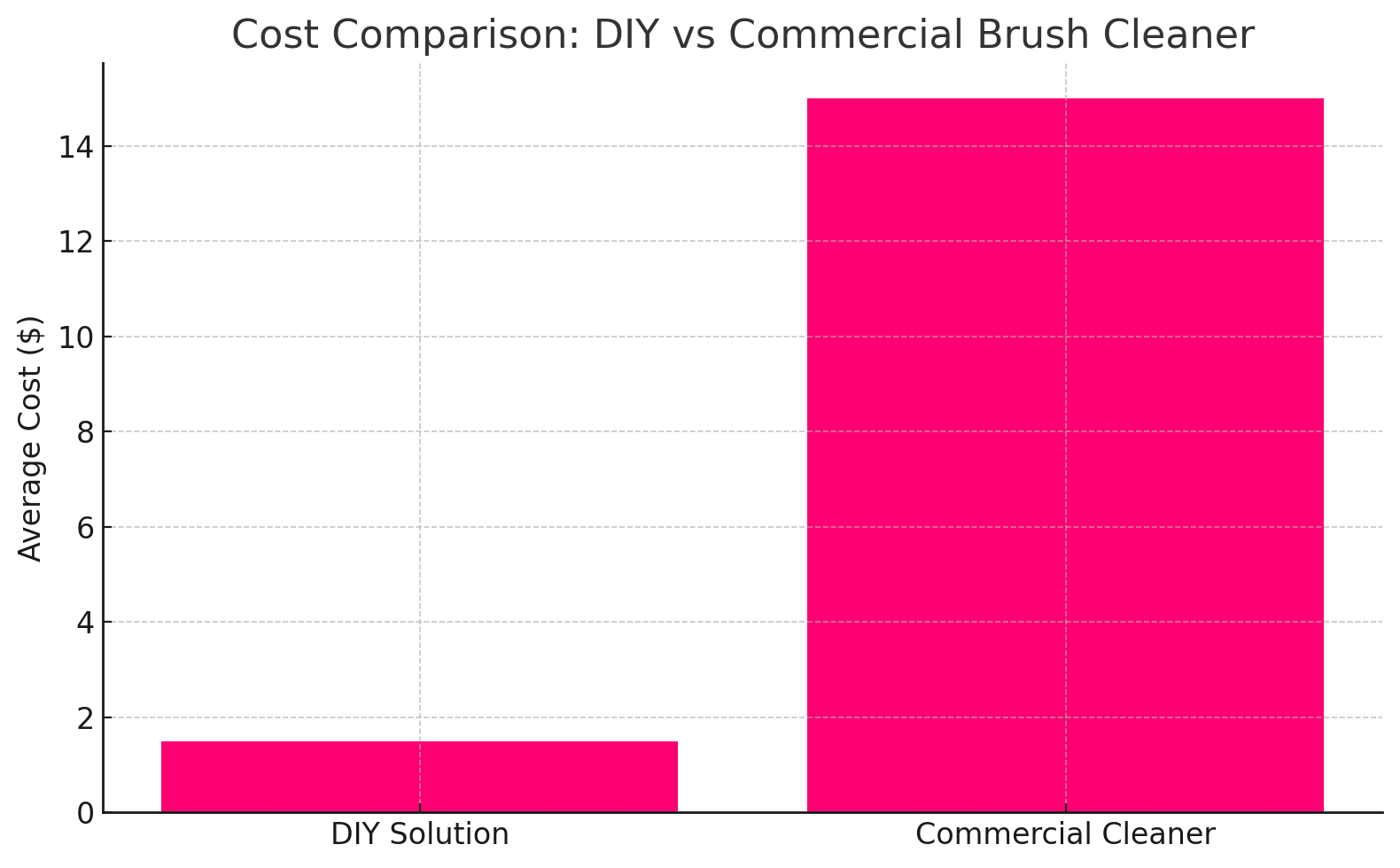
Graph: Cost Comparison: DIY vs Commercial Brush Cleaner
How to Disinfect Makeup Brushes Naturally
DIY Disinfecting Spray Formula:
- 1 part of white vinegar
- 2 parts of distilled water
Instructions:
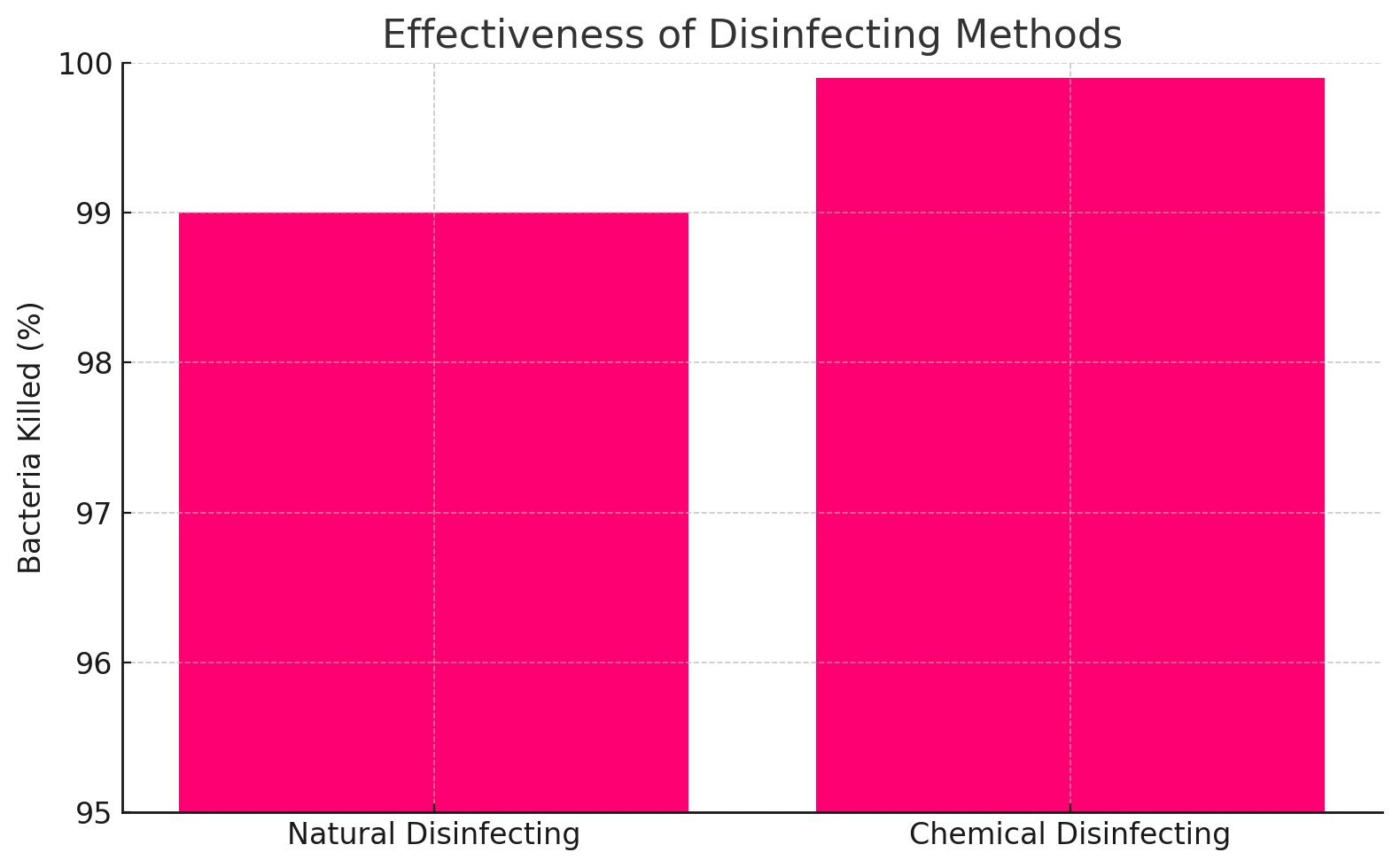
Apply to clean brushes and let them air dry. Vinegar is a natural agent that will cleanse 99% of viruses and bacteria!
Graph: Natural Disinfecting vs Chemical Disinfecting
Drying Time: How Long Do Makeup Brushes Take to Dry?
Depending on the size and density:
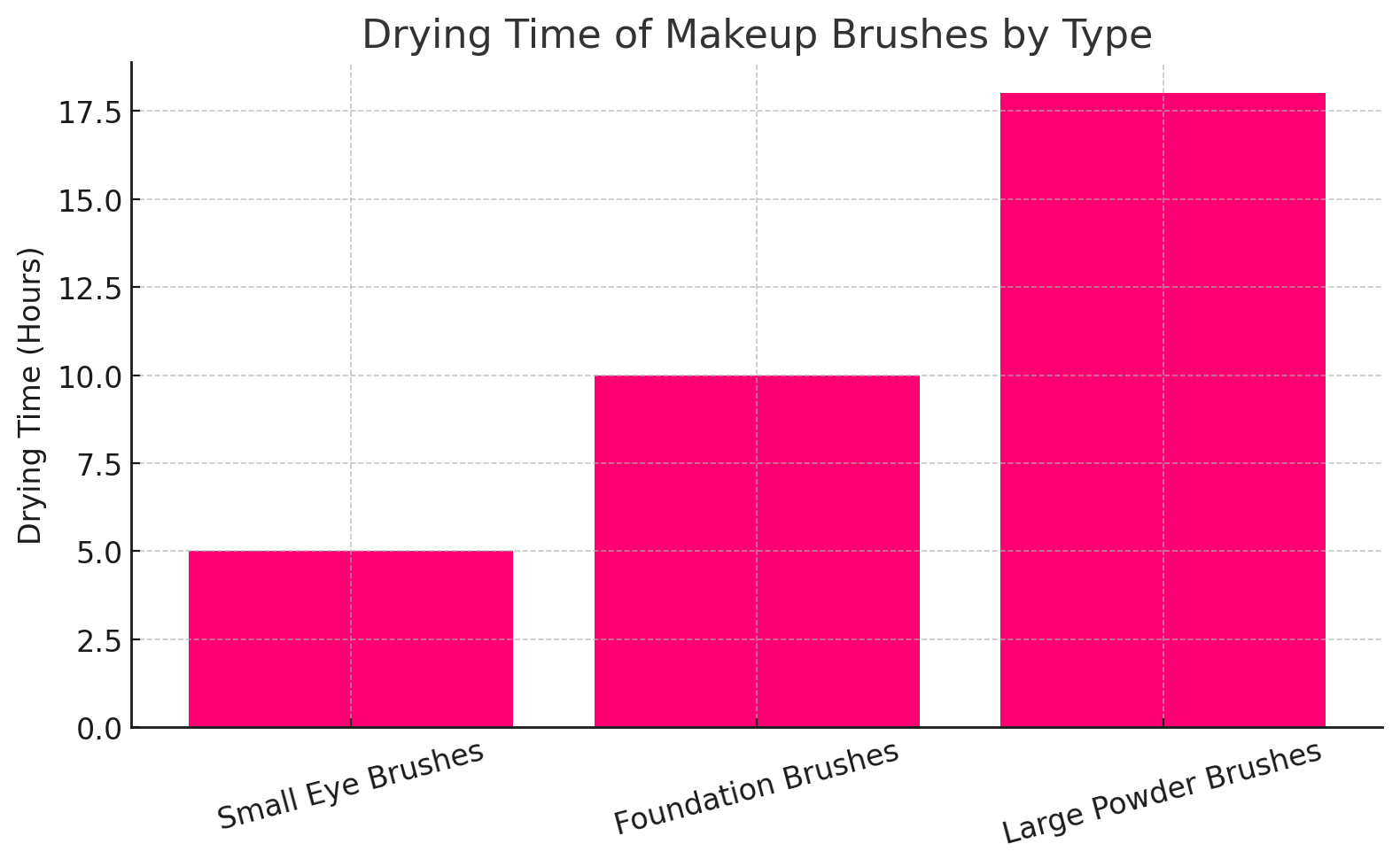
| Brush Type | Drying Time |
| Small eye brushes | 4–6 hours |
| Foundation brushes | 8–12 hours |
| Large powder brushes | 12–24 hours |
Ensure good ventilation to speed up drying without using heat.
Eco-Friendly Tip: Sustainable Cleaning Practices
- Use reusable bamboo cloths for drying.
- Repurpose old bowls or containers for mixing solutions.
- Mix solutions in bowls or containers which would have otherwise been thrown away.
- Use low environmental impact soaps, such as pure Castile soap.
FAQs on DIY Makeup Brush Cleaning Solutions
Q1. What is the best homemade solution to clean makeup brushes?
The most effective homemade recipe uses a blend of Castile soap and distilled water. This combination will remove makeup without damaging the brush, as it conditions the bristles and makes it safe to use frequently.
Q2. What do makeup artists use to clean brushes?
Professional makeup artist will usually have their specialized brush cleaners. However, many commonly use homemade cleaning solutions using Castile soap, dish soap, or even diluted alcohol for quick cleaning between clients.
Q3. How do you make liquid makeup brush cleaner?
To clean your brushes at home, mix 1 cup of warm distilled water with 1 tablespoon of Castile soap. For stronger cleansing, add a teaspoon of olive oil to the solution to aid in breaking down stubborn products.
Q4. What liquid do you use to clean makeup brushes?
The best liquids to clean makeup brushes with are Castile soap and gentle dishwasher soap, as well as a mixture of vinegar and water. It is recommended to stay away from stronger cleaning agents because they may damage the bristles.
Q5. Does coconut oil clean makeup brushes?
Indeed, coconut oil is suitable for cleaning makeup brushes. It helps remove greasy makeup products like foundation and cream blushes. However, remember to wash it out with soap after to get rid of the oily residue.
Q6. What are essential makeup brush cleaner ingredients?
Key ingredients include Castile soap for cleansing, white vinegar to disinfect, olive oil to nourish, and distilled water to prevent mineral build-up.
Q7. Can dishwasher soap alone clean makeup brushes effectively?
Brushes covered with waterproof or heavy-duty makeup can be well-cleaned with dishwasher soap. Out of all soaps, a gentle, unscented type is the best option. Bristle conditioner should also be added along with it, or else the brush will dry out.
Q8. How often should DIY cleaning solutions be made fresh?
To avoid contamination and guarantee efficacy, the solution should be made fresh each time one sets out to clean the brushes.
Q9. Is Castile soap better than baby shampoo for cleaning makeup brushes?
Compared to many baby shampoos, Castile soap is favored because it is natural, biodegradable, and free of synthetic additives, making it gentler and more effective for the longevity of the brushes.
Q10. What’s the fastest way to deep clean makeup brushes at home?
For best results, combine Castile soap, warm water, and a bit of dish soap. Swirl the brushes, rinse them in warm water, and set them to dry flat.
Conclusion
It is straightforward to make a skin- and budget-friendly homemade makeup brush cleaning solution. From a simple recipe using Castile soap to an all-purpose cleansing dishwashing liquid, a little maintenance will go a long way in prolonging the life of your brushes and keeping your skin clean.
With the provided formulas in this guide, you are now prepared to care for your cosmetic tools without purchasing professional cleaning products.