Makeup is an essential tool in creating mesmerizing illusions, whether for theatrical performances, film productions, or spine-chilling Halloween transformations. Special effects and theatrical makeup go beyond conventional beauty applications, allowing artists to craft realistic wounds, age transformations, and otherworldly creatures. This article explores advanced makeup techniques, covering Halloween special effects, theater stage makeup, and fantasy and sci-fi transformations. Whether you’re an aspiring makeup artist, a seasoned professional, or a DIY enthusiast, mastering these techniques will elevate your artistry and help bring imaginative concepts to life.
 Halloween Special Effects Makeup
Halloween is the perfect occasion to showcase creativity and technical skill in special effects makeup. Whether you want to create a terrifying zombie, an eerie ghost, or an elaborate fantasy character, the right techniques and tools can make your vision a reality.
Creating Realistic Halloween Prosthetic Makeup
Prosthetics play a crucial role in Halloween transformations, allowing artists to create gory wounds, monstrous features, and otherworldly appearances. Some popular prosthetic applications include:
Silicone or latex prosthetics:
Ready-made or custom-built facial pieces like scars, wounds, and deformed skin.
Gelatin-based prosthetics:
Flexible and lightweight, making them easy to mold and blend seamlessly with the skin.
Scar wax and putty:
Ideal for sculpting raised wounds, broken noses, or exaggerated facial features.
How to Apply Halloween Prosthetics:
Prepare the skin by cleansing and applying an adhesive-friendly primer.
Secure the prosthetic using liquid latex, spirit gum, or medical-grade adhesive.
Blend the edges with additional latex or wax for a seamless look.
Apply makeup using cream or alcohol-activated paints to add depth, bruising, and realism.
Set the design with translucent powder and setting spray for longevity.
Mastering Halloween Gore Effects
If you want to take your Halloween look to the next level, realistic gore effects are a must.
Fake blood:
Use different viscosities (thick for wounds, thin for dripping effects) to enhance realism.
Bruising and discoloration:
Layer reds, purples, blues, and greens to create depth.
3D wounds:
Using a combination of latex, wax, and paint, sculpt wounds with exposed flesh and torn skin.
DIY Halloween Makeup Techniques
Not everyone has access to professional-grade prosthetics, but DIY techniques can be just as effective:
Glue and tissue technique for building fake wounds.
Liquid latex for peeling skin and burns.
Eyeshadow and face paint layering for depth and shading effects.
Theater Stage Makeup Techniques
Stage performances require makeup techniques that hold up under bright lights, long hours, and intense facial expressions. Actors must wear makeup that enhances their features, conveys character emotions, and withstands sweat and movement.
Stage Makeup for Actors: The Essentials
Theatrical makeup must be bold, durable, and visible from a distance. Essential products include:
Full-coverage foundation:
Creates a smooth, even base that counteracts harsh lighting.
Highly pigmented eyeshadows and liners:
Enhances the actor’s expressions from afar.
Long-lasting setting powders and sprays:
Prevents melting under stage lights.
Blush and contour:
Accentuates facial structure, preventing actors from looking washed out.
Theatrical Character Design: Bringing Roles to Life
Character transformations require a deep understanding of facial structure, shading, and storytelling. Here’s how to create convincing stage characters:
Aging makeup:
Use fine lines, shadows, and stippling techniques to create wrinkles and sagging skin.
Fantasy and historical characters:
Research period-accurate colors, facial hair techniques, and accessories.
Villains and exaggerated personalities:
Use heavy contouring, darker hues, and exaggerated lines to highlight intensity.
Stage Makeup Tips for Longevity and Performance
Use a strong primer and waterproof products to combat sweat and movement.
Layer products gradually to prevent caking and fading.
Set makeup with powder and spray to maintain the look throughout performances.
Test under stage lighting to ensure visibility and color accuracy.
 Fantasy and Sci-Fi Special Effects Makeup
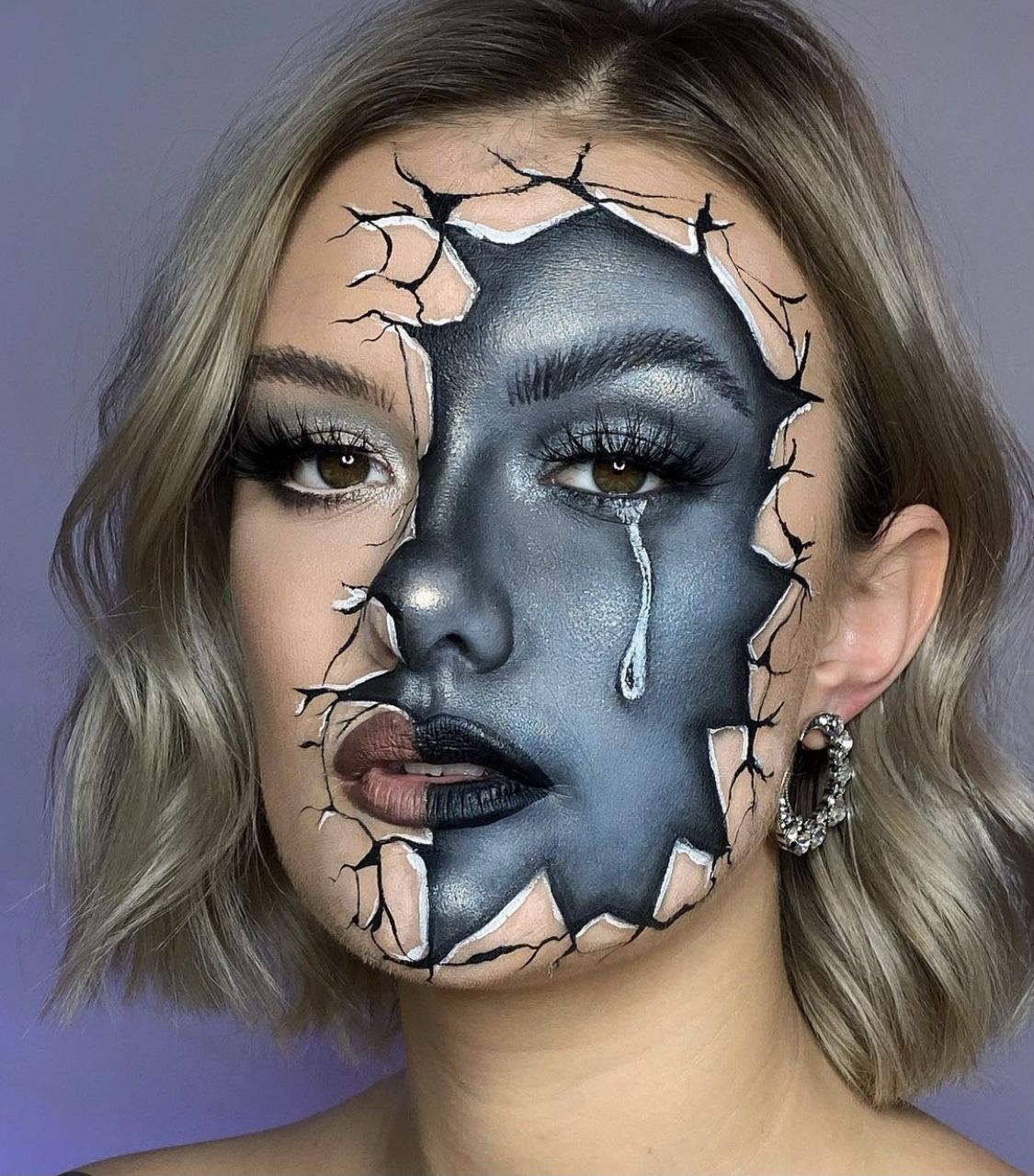
Fantasy and sci-fi makeup allows artists to push creative boundaries, transforming actors into extraterrestrials, mystical creatures, and futuristic beings. These styles often require intricate designs, prosthetics, and bold color schemes.
Fantasy Creature Design: From Myth to Reality
Fantasy characters like elves, fairies, and demons require specific design elements:
Elongated features:
Using prosthetic ears, noses, or facial extensions.
Shimmering and iridescent finishes:
Highlighted with metallic and duo-chrome pigments.
Dramatic eye designs:
Often incorporating colored contact lenses and bold eyeliner styles.
Techniques for Fantasy Makeup:
Base application:
Choose a color palette that complements the creature’s theme (e.g., cool blues for ice beings, earthy tones for forest dwellers).
Shading and blending:
Use airbrushing or soft brushes for seamless gradients.
Glitter and highlights:
Apply in strategic areas for an ethereal glow.
Sci-Fi Character Makeup: Creating Otherworldly Beings
Science fiction looks often involve robotic, alien, or futuristic designs.
Metallic finishes:
Achieved using chrome pigments, silver highlights, and high-shine gloss.
Circuit-inspired detailing:
Fine linework mimicking robotic interfaces or cybernetic enhancements.
Unconventional color schemes:
Neon shades and unnatural tones for alien or synthetic beings.
Sci-Fi Makeup Techniques:
Prosthetic application:
Use foam latex or silicone to create ridges, horns, or alien skin textures.
Airbrushing techniques:
Smoothly applies color gradients for a high-tech appearance.
Graphic detailing:
Precision brushes or stencils help create clean, futuristic patterns.
Fantasy Makeup Tutorials and Practice Tips:
Practice blending unique color combinations to develop signature looks.
Experiment with prosthetics and embellishments to push creative limits.
Incorporate 3D elements like LED lights or textured materials for advanced designs.
Conclusion
Mastering special effects and theatrical makeup requires a combination of technical skill, creativity, and an understanding of how makeup interacts with lighting, movement, and storytelling. Whether crafting spine-chilling Halloween gore, defining theatrical characters, or bringing sci-fi fantasies to life, artists can push the limits of transformation through dedicated practice and innovative techniques. By honing these skills, makeup enthusiasts can create stunning illusions that captivate and inspire audiences. With the right tools, knowledge, and passion, the possibilities in special effects makeup are truly limitless.