
Knowing your skin type is the foundation of an effective skincare and makeup routine. Whether your skin is oily, dry, combination, normal, or sensitive, understanding its characteristics helps you choose the right products that enhance your beauty while maintaining healthy skin. In this guide, we will explore how to determine your skin type, different skin types and their traits, and the best makeup choices for each type.
1. Skin Type Test: How to Determine Your Skin Type
Before you can build an effective skincare routine or find the perfect makeup products, you need to determine your skin type. Many people struggle to identify whether they have oily, dry, normal, combination, or sensitive skin. Fortunately, there are several methods you can use to figure it out.
 The Bare-Faced Test
This simple test can be done at home:
Wash your face with a gentle cleanser and pat it dry.
Leave your skin bare do not apply moisturizer, serums, or any products.
Wait for about an hour.
Observe how your skin feels and looks.
If it feels tight and flaky, you have dry skin.
If your T-zone (forehead, nose, and chin) is oily but your cheeks are dry, you have combination skin.
If your skin appears shiny all over, you have oily skin.
If your skin feels balanced not too oily or dry you have normal skin.
If your skin turns red, itchy, or irritated, you likely have sensitive skin.
The Blotting Sheet Test
Take a blotting paper and gently press it on different areas of your face.
Observe the amount of oil absorbed by the sheet.
Little to no oil indicates dry skin.
Oil from the T-zone but not the cheeks suggests combination skin.
Excess oil from all areas points to oily skin.
Minimal oil absorption shows normal skin.
Skin Type Quiz
If you want a more precise result, online skin type quizzes can help. These quizzes consider factors such as hydration levels, how your skin reacts to certain products, and its overall texture to determine your type accurately.
2. Types of Skin: Identifying Your Skin’s Unique Traits
Once you have completed a skin type test, it’s important to understand the characteristics of different skin types. Each skin type has its own unique needs and challenges.
Normal Skin Characteristics
Balanced oil production
Few breakouts or blemishes
Minimal sensitivity
Smooth texture and small pores
Rarely feels dry or excessively oily
Oily Skin Traits
Excess sebum production
Enlarged pores
Frequent acne and blackheads
Tends to appear greasy, especially in the T-zone
Makeup often slides off quickly
Dry Skin Features
Lacks natural oils
Feels tight and rough
Prone to flaking and irritation
Fine lines may appear more visible
Absorbs moisturizer quickly
Combination Skin Traits
Oily in the T-zone but dry on cheeks
May have enlarged pores in certain areas
Balancing skincare can be challenging
Prone to both dry patches and acne breakouts
Sensitive Skin Characteristics
Easily reacts to products
Redness and irritation are common
May experience burning or stinging sensations
Requires gentle, fragrance-free skincare products
Prone to eczema or rosacea
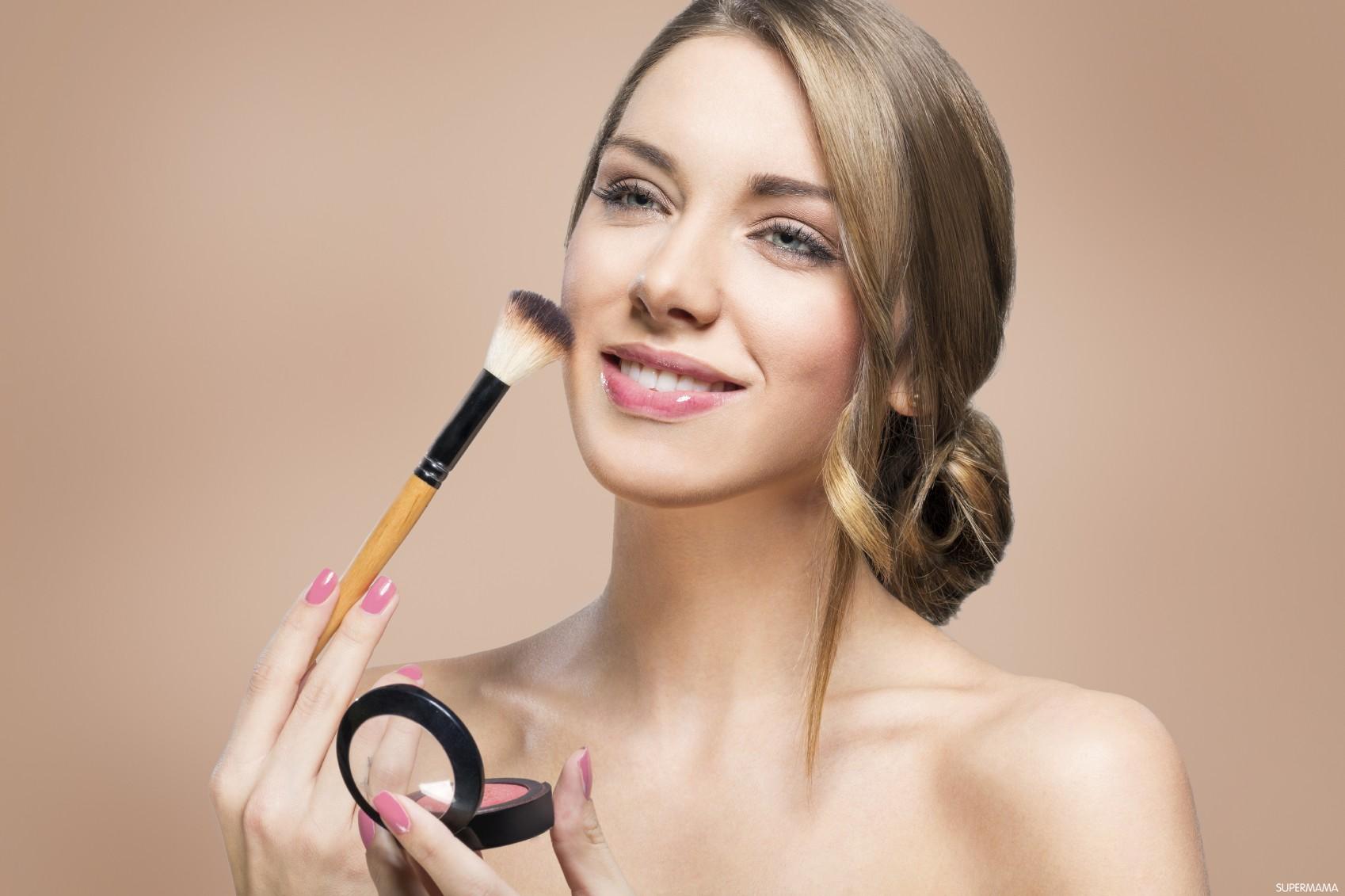 3. Makeup for Skin Type: Choosing the Right Products for a Flawless Finish
Now that you understand your skin type, it’s time to select makeup products that enhance your beauty without causing irritation or breakouts. Each skin type has specific makeup requirements to ensure a flawless and long-lasting look.
Best Makeup for Oily Skin
Primer:
A mattifying primer helps control excess oil and extends makeup wear.
Foundation:
Oil-free, matte foundations prevent shine and provide a smooth finish.
Powder:
Translucent setting powder absorbs oil and minimizes shine.
Blush:
Powder blushes are preferable to cream formulas to avoid excess grease.
Setting Spray:
A long-lasting, oil-control setting spray helps makeup stay fresh.
Makeup Tips for Dry Skin
Primer:
Hydrating primers create a smooth base.
Foundation:
Dewy or moisturizing foundations prevent flakiness.
Blush:
Cream blushes provide a natural, glowing look.
Highlighter:
Liquid highlighters add a subtle, radiant glow.
Lip Products:
Opt for hydrating lipsticks or tinted balms.
Tips:
Avoid matte products, as they can emphasize dryness.
Always prep skin with a rich moisturizer before makeup.
Use a damp beauty sponge to apply foundation for a natural finish.
Normal Skin Makeup Advice
Primer:
Any primer works well; choose based on preference.
Foundation:
Lightweight formulas with natural coverage enhance the skin.
Blush:
Cream and powder blushes both work well.
Lipsticks:
Any formula suits normal skin; experiment with shades and textures.
Setting Spray:
Use a dewy or matte finish depending on the look you want.
Tips:
Experiment with different products to find what you love.
Keep skin hydrated to maintain balance.
Use sunscreen under makeup for long-term skin health.
Best Makeup for Combination Skin
Primer:
Apply a mattifying primer on the T-zone and a hydrating one on dry areas.
Foundation:
Choose a semi-matte or natural-finish foundation.
Powder:
Use powder only on oily areas to avoid over-drying the rest of the face.
Blush:
A balanced cream-to-powder blush works best.
Highlighter:
Stick to lightweight, non-greasy formulas.
Tips:
Use two different moisturizers: a lightweight one for oily areas and a richer one for dry spots.
Avoid heavy products that can clog pores in oily areas.
Consider multi-masking for targeted skincare treatments.
Makeup for Sensitive Skin
Primer:
A fragrance-free, hypoallergenic primer soothes the skin.
Foundation:
Mineral foundations or dermatologist-tested formulas minimize irritation.
Blush:
Opt for natural or organic powder blushes.
Eyeshadow:
Avoid glittery or harsh formulas that may cause reactions.
Lipsticks:
Hypoallergenic lip products prevent irritation.
Tips:
Patch-test new makeup before applying it to the face.
Stick to fragrance-free and dermatologist-approved products.
Avoid excessive layering of products to reduce irritation.
Conclusion
Understanding your skin type is essential for selecting the right skincare and makeup products. By determining whether you have oily, dry, combination, normal, or sensitive skin, you can tailor your beauty routine for optimal results. The right makeup choices not only enhance your appearance but also contribute to healthier skin. Whether you’re prepping for a flawless everyday look or a special event, using products suited to your skin type ensures long-lasting beauty and comfort.
By integrating personalized skincare with carefully chosen makeup products, you’ll achieve a radiant complexion that looks and feels its best. Start by determining your skin type, following the best practices for your specific needs, and embracing a beauty routine that brings out your natural glow!